

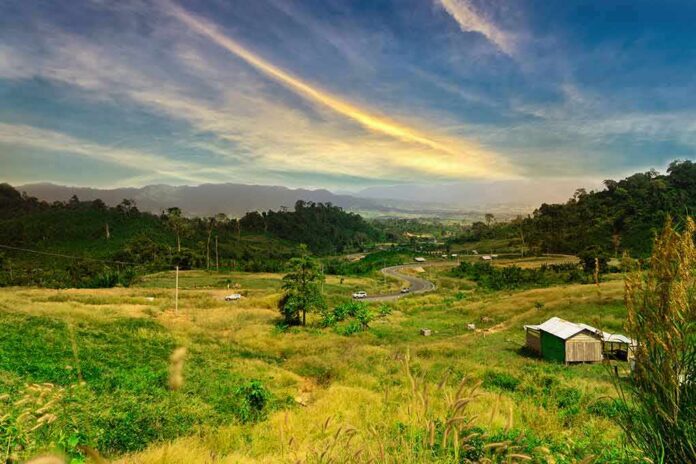
Armed kidnappers seized farmers from a remote Mexican village to control forests and land, exposing cartel power over rural life.
Story Highlights
- Eight villagers were abducted from El Balcón; seven returned, one remains missing.
- Survivors said captors wanted control of forests and territory around the village.
- Mexico’s army said it found six missing residents after an intelligence operation.
- A 2023 case saw 14 residents taken after farmers resisted cartel extortion.
What Happened In El Balcón, Guerrero
Associated Press reporting says dozens of armed men stormed El Balcón on September 24 and kidnapped eight people from the mountain community. Seven villagers later returned, but one farmer remains missing. Survivors told reporters their captors sought control of the surrounding forests and the land routes in and out of the village. The area sits six hours from the nearest town by rough roads. That distance limits state presence and fast help for families under threat.
Mexico’s army announced on October 16 that it located six missing people from El Balcón after a military intelligence effort. That statement confirms officials treated the kidnappings as a real security case, not rumor. Residents described weeks of hunger, beatings, and fear while held. Their accounts show how criminals can pressure a whole town by seizing a few people. The missing farmer’s fate is still unknown, leaving families on edge and fields untended.
Why Farmers Are Targeted
Survivors said the kidnappers wanted the forests and nearby territory. Control of timber, fields, roads, and labor brings steady money. It also gives leverage over local leaders and markets. Past cases show this pattern. In 2023, state officials reported 14 people taken after farmers in Texcaltitlán killed 10 suspected cartel gunmen during a revolt against extortion. Prosecutors called the abductions retaliation, meant to punish and to warn others.
Other reporting shows cartels snatch shopkeepers, teachers, and well-off farmers when they need cash or power. A decade ago, authorities in Morelos said gunmen tied to the Beltrán-Leyva network started kidnapping members of the middle class, including prosperous farmers. That shift followed hits to cartel leadership, pushing cells to replace lost drug income with ransom and “protection” fees. The targets were people who worked hard and had something to lose.
A Wider Pattern Of Rural Control
Researchers and reporters describe a broader trend: criminal groups often move beyond drugs and into daily life. They tax crops, control shipping, and pressure mayors and police. They may not replace the state everywhere, but they layer on top of local government and bend it to their will. This can look like road checkpoints, “fees” on harvests, and harsh punishment for anyone who resists or calls the authorities for help.
Recent accounts from Guerrero go even further. One survivor described a detention site that held more than one hundred people. He said hostages were shackled, starved, beaten, and told to join the cartel or obey its rules back home. Activists relayed the claims as they urged action. A state official said the government did not recognize a mass kidnapping without a formal complaint, but the survivor’s testimony added fuel to public alarm.
Why This Matters To American Readers
Cartel power in rural Mexico affects American security and our border. When criminals rule farms and forests, they control labor, routes, and smuggling paths that reach our towns. They also push families to flee north, swelling illegal migration and straining our communities and budgets. For years, globalist blind spots and weak enforcement fed this crisis. Today, President Trump’s team faces a hard truth: stopping chaos at our border means confronting cartel terror at its source.
Conservatives know what works: law and order, secure borders, and economic pressure on criminal money. That means tighter border screening, tougher penalties for traffickers, more joint work with Mexico on arrests, and sanctions that freeze cartel cash and front companies. It also means refusing asylum abuse by criminal proxies. Farmers from El Balcón to Texcaltitlán deserve basic safety. So do American families who bear the costs when cartels treat rural people as hostages and assets.
Sources:
apnews.com, nbcnews.com, socialnews.xyz, cambridge.org