
Washington is trying to sell strict control over Iranian cash, but Iran says it will not take orders from the United States.
Quick Take
- Scott Bessent said the United States Treasury Department will oversee released Iranian funds from Doha.[3]
- Bessent said a large share of the money would buy American food and medicine.[1][3]
- Iranian officials pushed back and said Iran alone will decide how to use the assets.[1][3]
- Reports say the arrangement remains disputed, with key details still unclear.[1][2]
What Bessent Said About the Money
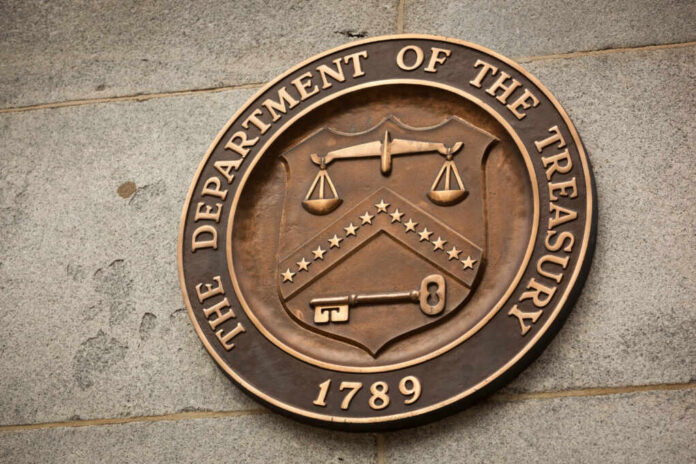
United States Treasury Secretary Scott Bessent said Treasury officials will oversee the released Iranian funds once they move through Qatar.[3] He said a large portion of the money will go to food and medicine, including American products such as corn, wheat, and soybeans.[1][3] The message was simple: Washington wants the public to believe the money is not a blank check for Tehran.
Bessent also said the funds would be used “for the benefit of the Iranian people,” while Treasury staff in Doha would watch the process.[1][2] That is the part many readers will care about most. If the United States is really controlling the flow, then the White House is claiming it can block Iran from turning the money into a wider political win. Still, the public reports do not spell out every enforcement step.[1]
Iran Rejects the US Framing
Iran’s ambassador in Geneva rejected the American version of the deal and said Iran alone decides what to do with its assets.[1] Other reports say Iranian officials denied that they accepted United States terms on food purchases or nuclear inspections.[1] That creates a direct clash between the two sides. It also means the public is hearing very different stories about what was actually signed and what was only discussed.
That split matters because the reported agreement appears to rest on trust, paperwork, and bank control, not on open checks and balances.[2][3] The available reporting says the Treasury Department will have an operation in Doha, but it does not fully explain who will hold the account, how purchases will be approved, or what happens if Iran pushes back.[2][3] For taxpayers and voters, that missing detail should raise a red flag.
Why the Oversight Fight Matters
This dispute is about more than one account in Qatar. It touches a larger issue: whether the United States can freeze sovereign assets, then later claim tight control while still letting foreign governments benefit.[13][14] The pattern has come up before in other sanctions cases, and the same problem keeps showing up. Once money is released, enforcement gets hard, and political promises can outrun the real guardrails.[13][15]
Bessent Insists US Treasury Will Oversee Unfrozen Iranian Funds: Food & Medicine Onlyhttps://t.co/udWmYFkmRs
— Did I Piss You Off? (@DIPYOMUCH) June 25, 2026
Supporters of the administration will say the plan protects humanitarian access and steers funds toward food and medicine.[16][17][19] Critics will say Washington is asking Americans to trust a process that still lacks clear public terms.[1][2] Both can be true at once: the stated goal may sound narrow, but the public record still leaves major questions about control, legal authority, and how much leverage Iran keeps behind the scenes.[1][2][3]
Sources:
[1] Web – Bessent Insists US Treasury Will Oversee Unfrozen Iranian Funds: Food …
[2] Web – Washington to oversee unfreezing of Iranian assets via Qatar
[3] Web – US, Qatar agree to prevent Iran from tapping $6 billion fund
[13] Web – Deploying frozen assets for humanitarian needs …
[14] Web – The United States Faces Challenges in Recovering Assets …
[15] Web – US President Signs National Security Package with …
[16] Web – About OFAC | Office of Foreign Assets Control
[17] Web – Office of Foreign Assets Control: Home
[19] Web – United States Becomes First Country to Implement New …