

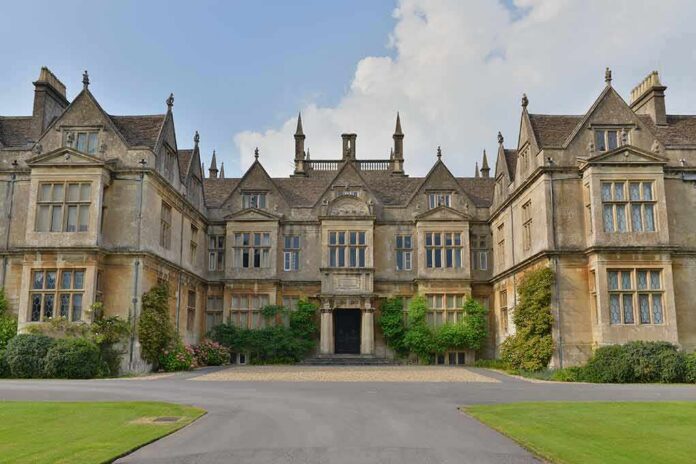
A once-glamorous British estate where hidden microphones caught Nazi generals spilling secrets has now opened as a museum, reminding us how determined nations can win wars when they take evil seriously.
Story Snapshot
- A north London mansion where British intelligence secretly bugged Nazi officers is now the Trent Park House of Secrets museum.
- Hidden microphones in walls, lamps, and even garden benches let “secret listeners” gather war-changing information from relaxed German prisoners.
- Many of those listeners were Jewish refugees, turning their escape from tyranny into a direct blow against the Nazi war machine.
- The museum shows how strong borders, clear moral purpose, and smart intelligence work helped defeat a brutal regime bent on global domination.
A British mansion turned into a quiet weapon against Nazi power
During World War II, the British government took over Trent Park, a stately home in north London, and quietly turned it into a special prisoner-of-war camp for high-ranking German officers. These captured generals were treated with comfort, served by valets, and allowed walks on the grounds, so they would relax and talk freely. What they did not know was that the house itself had been wired, and every casual remark could become valuable intelligence for the Allied cause.
Rooms across the mansion were fitted with hidden microphones and listening devices placed in walls, lighting fixtures, plant pots, tables, and even garden benches. Conversations from the generals’ bedrooms, lounges, and strolls outdoors were fed down to a secret basement area called the “M-Rooms,” where trained staff listened and recorded every detail. This quiet setup turned a country house into a powerful tool of war, gathering information on weapons, plans, and attitudes inside the Nazi command.
The “secret listeners” who fought Nazism with their ears and minds
In the basement beneath the grand rooms, a team of “secret listeners” worked shifts to catch and transcribe the Germans’ conversations. Many of these listeners were German-speaking Jewish refugees, people who had fled Nazi persecution and now used their language skills to strike back at the regime that tried to destroy them. They translated loose talk about rockets, troop movements, and even early reports of mass killings, giving British intelligence clearer insight into Nazi plans.
The museum and several reports say Trent Park held dozens of senior officers, including more than 80 German generals and other high-ranking staff. One famous prisoner was General Dietrich von Choltitz, the last Nazi commander in Paris, who was captured after refusing Hitler’s order to destroy the city. By listening to men like him, the secret team gained a window into the thinking of the Nazi elite, their doubts, their fears, and their expectations about how the war might end.
What Trent Park’s “House of Secrets” means for today’s battles over freedom
The new Trent Park House of Secrets museum opens the ground floor and basement of the mansion to the public, after years of restoration supported partly by National Lottery funds and local campaigns. Visitors can now move from the glittering world of prewar high society upstairs—where guests once included Winston Churchill and other famous figures—down to the hidden listening posts that helped defeat one of history’s darkest regimes. Exhibits highlight the bravery of the listeners, the craft of the surveillance, and the role this quiet site played alongside better-known places like Bletchley Park.
Trent Park, Britain's Secret WWII Spy Mansion, Opens As A Museum https://t.co/TowBT0xwj1
— The Right News, Right Now. (@BradPorcellato) August 5, 2026
For conservatives, Trent Park is a strong reminder that free nations win when they combine courage with clever, tough-minded security. Britain did not invite Nazi officers in as “guests” out of kindness; it used comfort and openness to expose their secrets and protect its people. The story warns us today against being naive about evil, whether it comes from hostile states, terror networks, or extremist ideologies that want to tear down borders, faith, and family life.
Sources:
trentparkhouse.org.uk, bbc.com, londonist.com, facebook.com, enfielddispatch.co.uk, instagram.com, museumsassociation.org, timesofisrael.com, ndtv.com