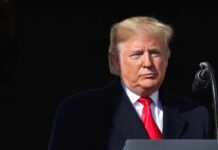

CNN’s Jake Tapper said President Trump’s rally line about paying “a little bit more” for gas was “made for a Democratic attack ad,” even as Trump linked the costs to stopping Iran from getting a nuclear weapon.
Story Snapshot
- Jake Tapper flagged Trump’s gas-price remark as prime material for Democrats.
- Trump said modestly higher gas prices help block Iran’s nuclear ambitions.
- Reports show Trump has told Americans relief will follow once the Iran fight ends.
- Energy analysts say conflict risk can lift oil and gas prices even without big supply cuts.
What Tapper Seized On — And What Trump Said
Mediaite reported that Jake Tapper singled out Trump’s rally comments on gas prices, saying the clip looked built for a Democratic ad. Tapper separated Trump’s national security case from the price message, framing the cost line as the political weak spot. Reuters reporting shows Trump asked Americans to accept slightly higher gas prices as the price of preventing a nuclear-armed Iran, a stance he has repeated in recent weeks. Trump called Iran “evil” and tied short-term costs to long-term safety.
President Trump has also said prices should fall once the Iran fight is resolved. Fox News reporting captured him telling an audience that oil and gasoline costs will drop sharply with progress toward reopening the Strait of Hormuz and closing a deal to end the crisis. That message pairs a near-term security goal with a promise of relief at the pump. The White House line is clear: finish the mission, then bring prices down for families feeling the squeeze.
The Policy Tradeoff: Security First, Wallet Relief Next
Trump’s position sets a simple order of priorities: stop Iran’s nuclear drive, then cut energy costs. That choice is not new in U.S. policy debates. Leaders often argue that short-term pain can prevent greater danger. Independent research backs the link between conflict risk and prices. The Washington Institute noted that risk alone can add ten to twenty-five percent to oil, even without a large supply hit, which filters into gasoline costs. Conflict fear moves markets quickly.
This mechanism helps explain why prices react during tense moments. Traders price in threats to shipping lanes, attacks on energy sites, or sudden bans. When risk builds, oil climbs and gas soon follows. Policymakers then face a tight loop: take steps to deter a hostile regime and absorb near-term price pressure, or back off and risk a larger crisis later. Trump argues the former path keeps America safer and, in time, brings costs down when the threat fades.
Why Democrats Will Still Press the Attack
Tapper’s on-air take shows how the left will frame this fight. They will run clips of families paying more and blame the White House for the pain. They will likely downplay the nuclear threat in the ad and spotlight the price quote instead. That is politics in an election year. But the core facts remain: Trump tied costs to stopping a hostile regime from getting the most dangerous weapon on earth, and he said relief follows success in the Gulf.
🚨 TENSIONS ESCALATE IN ORMUZ 🚨
Key updates from August 14, 2026, as the US-Iran conflict intensifies:
🌊 STRAIT OF HORMUZ
• Iran attacked two UAE-owned ADNOC oil tankers; Qatar has condemned the assault.
• Commercial shipping has plummeted to historic lows. Only 2 ships… pic.twitter.com/lg1D8tSk6o— Manuco (@manuco22) August 14, 2026
Conservatives know this pattern. The same media that cheered “green” mandates and blocked pipelines now scold a national security push for moving gas a few cents. Voters remember who shut down drilling and canceled leases. Trump’s case is straightforward: secure shipping lanes, keep pressure on Tehran, finish the job, then let American energy drive prices lower. Risk premia fade when threats fade. That is how markets, not press clips, set the pump price.
What To Watch Next: Hormuz, Talks, And Price Moves
Watch progress on the Strait of Hormuz, where safe passage shapes global oil flows. Any deal that reopens lanes and cools tensions should pull risk out of the market and ease prices. Watch signals from U.S. diplomacy and defense. If Iran backs down or loses capacity to threaten shipping, futures will reflect it. The timing may not please cable hosts, but families will feel relief when the risk discount shrinks and American supply meets calmer demand.
Sources:
mediaite.com, straitstimes.com, moneycontrol.com, thehill.com