

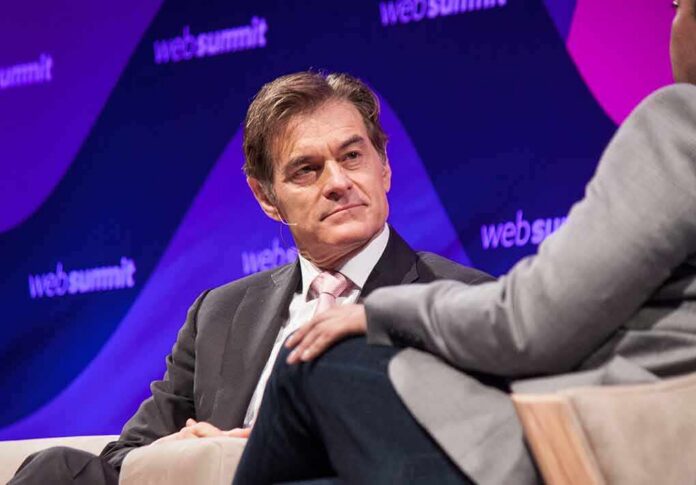
A high-profile health policy panel will feature Dr. Mehmet Oz while Russell Brand—now facing rape charges in the United Kingdom—serves as moderator.
Story Highlights
- The MAHA Summit agenda pairs Centers for Medicare and Medicaid Services chief Dr. Mehmet Oz with moderator Russell Brand.
- Brand has pleaded not guilty to multiple sex-crime charges and is expected to face trial in London.
- Media coverage underscores the optics as critics question the judgment behind the pairing.
- The panel plans to discuss reforms at the Centers for Medicare and Medicaid Services under the Trump administration.
What Is Scheduled And Who Is On Stage
The Make America Healthy Again Summit agenda lists a panel featuring Centers for Medicare and Medicaid Services Administrator Dr. Mehmet Oz, with comedian and broadcaster Russell Brand moderating. The event is set in Washington, with the session focused on reforms at the Centers for Medicare and Medicaid Services driven during President Trump’s second term. The published schedule makes the pairing clear. The discussion also includes Health and Human Services leadership input, signaling a policy-heavy session rather than a celebrity chat.
The Hill reported that Brand will moderate Oz and senior health officials on Centers for Medicare and Medicaid Services reforms at the summit. Outlets also noted Brand’s role across MAHA activities in recent cycles, showing organizers see him as a draw for audience attention and message reach. The schedule does not suggest that Brand will speak on policy. It positions him as a facilitator for the conversation, with federal officials setting the substance.
Why The Optics Are Drawing Fire
Coverage tied the announcement to the fact that Brand faces several sex-crime charges in the United Kingdom and has pleaded not guilty, with a trial expected soon. Mediaite framed the optics directly: a sitting federal health chief sharing a stage moderated by a celebrity defendant in a high-profile case. That mix raises the familiar fight over “platforming” and reputational spillover, as institutions often weigh event value against public backlash for associating with controversial figures.
These disputes repeat across public life. Universities and civic groups publish speaker policies that flag “controversial” presenters as potential reputational risks, even when events focus on ideas, not personalities. That background explains the heat here. Supporters may argue for open forums and the presumption of innocence. Critics point to headlines that can drown out the policy message and distract from serious work on Medicare and Medicaid reform.
What The Policy Conversation Is Supposed To Cover
Reports say Oz and senior health officials plan to detail changes at the Centers for Medicare and Medicaid Services, including efforts to cut waste, improve service, and protect seniors’ access to doctors. The discussion sits in a broader push by the Trump administration to rein in costs, fight fraud, and get middlemen out of the exam room. That message aims at pocketbook pain that many families feel when premiums, co-pays, and drug prices eat into savings and retirement plans.
Conservative readers want results: faster claims, clearer pricing, and a system that respects doctors and patients. A focused session can help explain how reforms move from talk to action. It can show how the Centers for Medicare and Medicaid Services is aligning rules with common sense, not bureaucracy. That is why the moderator choice matters. Headlines about a court case can eclipse a needed talk on how to stop waste and get more care to seniors.
Balancing Free Speech, Fair Process, And Public Duty
Event organizers face a hard balance. Free speech norms and presumption of innocence are core American values. At the same time, federal leaders must guard the credibility of the offices they hold. When a moderator is under indictment abroad, critics argue the stage risks becoming about the personality, not the policy. That is the exact trade-off many institutions try to avoid when they screen speakers for controversy and reputational harm.
Just when you think you can't go further down the toilet we have this Russell Brand with Dr. Oz and Chris Klomp on MAHA goals. We all remember this picture that they posted look at this and of course we have Chris Klomp doing Steven Hemsley's work.
No mention on how many the… https://t.co/jOELxgbWOK pic.twitter.com/pdq5BtmjCs— MedicalQuack (@MedicalQuack) September 28, 2026
The clearest path is simple: keep the spotlight on substance. Let the policy team carry the message on Medicare and Medicaid reforms with facts and timelines. If organizers keep tight focus, the audience will learn what changes are coming and how they help patients and taxpayers. That is what matters: lowering costs, cutting red tape, and defending a health system that serves families, seniors, and working people without waste or political theater.
Sources:
mediaite.com, mahasummit.com, yahoo.com, thehill.com, thekennedybeacon.substack.com