
Kansas is hand-counting ballots in six of its closest 2026 races, but state law only forces officials to manually check one in every ten precincts, leaving most ballots never touched by human hands.
Story Snapshot
- Six Kansas races, including governor, secretary of state and attorney general, triggered mandatory close-race audits after margins fell within 1% on election night.
- Kansas law only requires county officers to hand-count ballots in 10% of precincts, not the full vote.
- Johnson County pushed its audit back to November 9 after the Secretary of State expanded the number of races under review.
- This is a routine legal process Kansas has used before, including twice in 2024, not a new emergency.
Six Statewide Races Trigger Automatic Review
Kansas Secretary of State Scott Schwab announced on November 4 that a close-race audit had been initiated for six races following the November 3 general election. The races include governor, secretary of state and attorney general, none of which had been officially called by election night. All 105 counties in Kansas must take part in the review, according to a Zoom briefing Schwab’s office held with county officials the day after the election.
Voters deserve to know their vote actually counted the way it was recorded. That’s the whole point of a close-race audit. When a statewide office comes down to a fraction of a percentage point, Kansans have every right to demand officials check the math before certifying a winner.
How the Hand-Count Law Works
Kansas law spells out exactly when this process kicks in. Under Kansas Statutes Annotated 25-3009, any federal, statewide or state legislative race within 1% of the total votes cast on election night “shall be audited” in even-numbered election years. That is not a discretionary call by Schwab’s office. It is a legal trigger that activates automatically once the unofficial margins come in that tight, regardless of who is ahead.
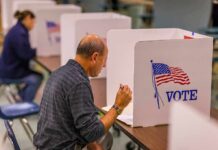
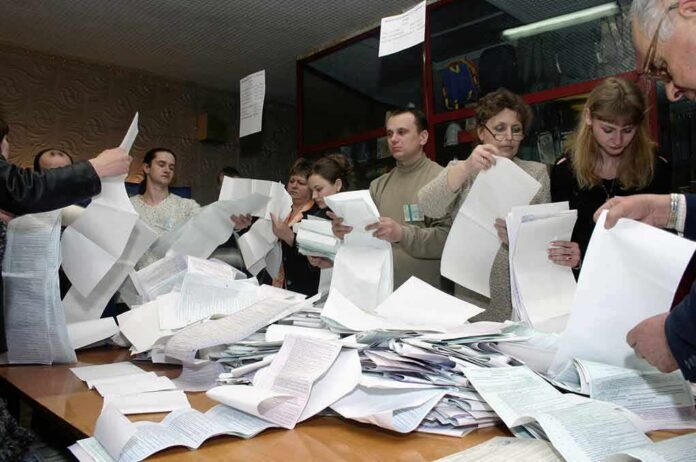
Bryan Caskey, the state’s elections director, has explained that county election officers must hand count ballots from 10% of precincts in the affected races and compare those results against what the voting machines originally reported. If the hand count matches the machine count within an acceptable range, the audit confirms the result stands as reported.
Only a Fraction of Ballots Face Human Eyes
Here is the part voters should pay close attention to. The 10% threshold means that in every county running this audit, roughly nine out of every ten precincts will never be manually rechecked. The statute treats a small sample as sufficient proof the tabulators got it right statewide, rather than requiring a full hand recount of every ballot in a race separating the state’s next governor from the runner-up.
A close-race audit is also not the same thing as a recount. A recount is a separate process candidates must formally request after certification, and it can cover specific counties a campaign chooses to challenge. The close-race audit, by contrast, is automatic, statewide in scope for the affected office, and limited to that 10% sample regardless of how close the final margin turns out to be.
A Routine Process, Not a New Crisis
Johnson County’s Election Office announced it was pushing its scheduled audit back to November 9, citing “the expanded scope of the required audits” after Schwab’s office confirmed six races statewide had qualified. That delay reflects the added workload of covering multiple contests at once, not any irregularity in how ballots were cast or counted.
Kansas Orders Hand-Count Audits in SIX Razor-Thin Election Races — But Vast Majority of Precincts Will NOT Be Manually Rechecked Under Close-Race Audithttps://t.co/4xBXC9YXh2 https://t.co/oEhHrCJvEp
— Bob Schatan (@RobertSchatan) November 6, 2026
This is not uncharted territory for Kansas. Schwab’s office ordered two close-race audits after the 2024 general election and one after that year’s primary, plus another just this past August for a state House primary. Tight margins routinely activate this statutory safeguard. Kansans can watch this process unfold confident that the law, not political pressure, is dictating how these six races get resolved.
Sources:
thegatewaypundit.com, jocogov.org, sos.ks.gov, kwch.com, fox4kc.com