

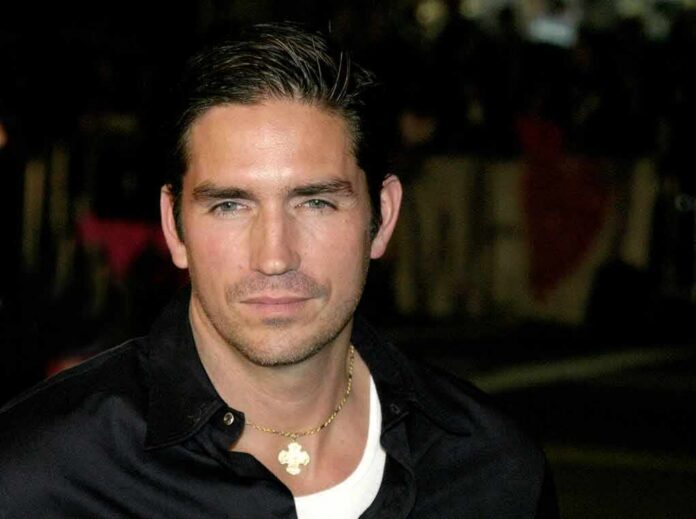
Jim Caviezel says Hollywood tried to crush his career for speaking out against child trafficking—and he kept going anyway.
Story Highlights
- Caviezel frames Sound of Freedom as a moral mission to confront child trafficking.
- The film draws on operations linked to Tim Ballard and Operation Underground Railroad.
- Academic and media debate says rescue stories can oversimplify trafficking dynamics.
- Audience support and pay-it-forward ticketing helped drive the film’s reach.
Caviezel’s Stated Mission: Confront Child Trafficking Head-On
Jim Caviezel describes Sound of Freedom as a tool to move people to action, not just a movie. He called it a “weapon of mass instruction” aimed at ending the sale and abuse of children. He has repeated the line, “God’s children are no longer for sale,” to frame the fight in moral terms that many families share. He presents his work as a duty to protect kids, encourage personal responsibility, and push culture toward basic human dignity.
Caviezel links the film’s story to real-world anti-trafficking work associated with Tim Ballard and Operation Underground Railroad. Coverage of the group describes Ballard as a former government operative who left his job to carry out rescue operations with law enforcement partners. That link gave the film a sense of urgency and purpose that went beyond theater seats and into the lives of victims and officers on the ground.
How Hollywood Backlash Collided With Grassroots Demand
Industry coverage and commentary often tried to box in Caviezel as fringe or controversial, while many regular Americans packed theaters. Analysts reported strong audience turnout and a unique pay-it-forward ticket system that allowed people to fund seats for others. Financial reporting showed tens of millions tied to these donated tickets, signaling broad support despite media pushback and culture-war smears that swirled around the film and its star.
Family audiences responded to a clear moral line: protect kids, punish predators, and refuse to accept excuses. That response cut through the usual Hollywood gatekeeping. Americans did not need big-city tastemakers to tell them when a cause matters. They saw a film that took evil seriously and backed it with action. The pay-it-forward model became a way for families, churches, and veterans groups to make sure the message reached more people who cared.
What Experts Say About Rescue Narratives—and Where Caviezel Fits
Scholars and some media voices have argued that rescue-centered stories can oversimplify a complex crime. They warn that public debate can flatten many forms of exploitation into a simple story of villains and heroes. Writers also say real-world trafficking often involves poverty, online grooming, family abuse, and labor coercion. That debate exists alongside Caviezel’s moral claim that protecting children is non-negotiable and urgent for any decent society.
Both points can be true at once: trafficking is complex, and rescuing victims still matters. Caviezel’s framing points the spotlight where many elites refuse to look. He insists the industry stop ignoring abused kids and start helping them. Viewers can support prevention, policing, and survivor care, while also learning about how traffickers operate. The film’s popularity shows people will rally to a cause when leaders speak clearly about good and evil—and do something about it.
Why This Fight Resonates With Constitutional, Family, and Faith Values
Parents see child protection as a basic duty that stands above politics. Caviezel’s stance speaks to families who are tired of moral fog from cultural elites. They want strong laws, tough prosecutions, secure borders, and better online safeguards for kids. They also want Hollywood to stop mocking faith and start defending human dignity. When artists take a risk to defend children, many Americans will stand with them, no matter how loud the industry tries to shout them down.
🚨Actor Jim Caviezel is REFUSING to back down on his support for President Trump, declaring he "LOVES the man.""I don't just vote for Trump, I LOVE the man."Americans LOVE Trump for saving children from child trafficking! pic.twitter.com/9723KM60bN
— 𝓡𝓤𝓣𝓗 🌸👑🐸📜🔍 (@Ask_RuthKnows) November 15, 2026
President Trump’s administration continues to back law enforcement that targets trafficking networks, protects victims, and punishes offenders. That approach fits the conservative view that the first job of government is to secure the innocent and uphold justice. Caviezel’s message lines up with that goal: tell the truth, defend children, and hold abusers to account. The public outcry that propelled Sound of Freedom suggests that this cause is not a fad—it is a line in the sand.
Sources:
lariat.org, nme.com, ourrescue.org, indiewire.com