
Chase says a software bug, not a cyberattack, caused banking delays that rippled to other institutions, calming hack fears while raising hard questions about resiliency and transparency.
Story Snapshot
- Chase attributed the disruption to a software bug in on‑premise systems, not a hack.
- Thousands reported problems at several banks and Zelle as delays spread through transactions.
- Chase said other banks were affected when they were party to Chase transactions.
- Public details remain thin; no third‑party forensic report has been released.
Chase’s Stated Cause: A Software Bug, Not a Breach
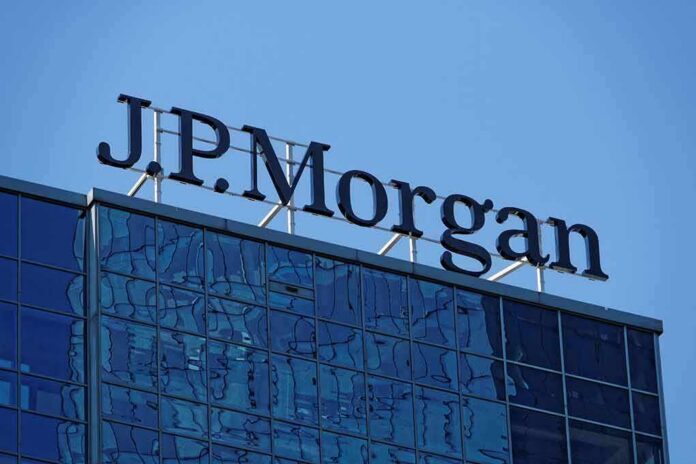
JPMorgan Chase said a “temporary issue related to a software bug in on‑premise hardware systems” slowed some transactions and created online access problems. The bank emphasized it was “not cyber‑related.” Multiple outlets reported this explanation the same day, reinforcing that the bank viewed it as a technical failure. Chase said customers still had access to their accounts and funds as teams worked to restore normal processing. This core claim framed the event as service disruption, not data theft.
Independent reporting echoed that diagnosis. Coverage described delays and login issues rather than confirmed signs of intrusion. The Associated Press said the Chase issue triggered online banking delays at several major banks and the Zelle payment service. That matches a failure that spreads through shared transaction flows rather than a coordinated attack on every institution at once. The pattern also fits the scale of Chase’s role as the largest United States bank by assets, where glitches can ripple outward.
Why Other Banks Felt It: Transaction Links, Not Shared Compromise
Chase said other institutions “may have been impacted” when those banks were party to transactions involving Chase. In plain terms, if your payment relied on a Chase step, it could slow or show errors while Chase fixed its systems. This explanation accounts for cross‑bank complaints without requiring a hack at each firm. Reporters noted problems at several banks and Zelle, lining up with how interbank payments create dependencies that can spread delays even from a single fault.
Downdetector spikes and social posts made the outage look like a single wave hitting many banks. That visibility can fuel talk of a systemic breach. But numbers alone do not prove a hack. Delayed postings, login errors, and stuck transfers are also common symptoms of large system failures. The coverage tied the issues to Chase’s internal bug, while acknowledging the real frustration for people who could not move money or see updated balances during the slowdown window.
What We Know, What We Do Not, and What Comes Next
Reporters relayed Chase’s statements in near real time, but there is not yet a public, technical root‑cause report. The bank has not released logs, a full timeline, or an independent third‑party review. That gap keeps room for questions even if the working cause is clear. For customers and taxpayers, more transparency would help prove there was no data loss, no unauthorized access, and no lingering risk behind the temporary service pain.
Chase, BofA, Wells customers staring at error screens this morning.
Your money is "safe." You just can't touch it until their app says so.
Monero doesn't have an outage button a bank can press.
That's not crime. That's not needing permission to use what's yours. pic.twitter.com/Nrpy46O5Zt
— Jaun (@R3st4rtY0urL1f3) November 17, 2026
Conservatives should press for accountability and resilience, not panic. Banks run critical infrastructure. When an internal bug at the largest lender slows payments system‑wide, the public deserves proof the fix holds and guardrails are stronger. A brief attestation from a reputable cybersecurity firm would settle breach doubts. A root‑cause report would show what failed, why, and how changes prevent a repeat. Clear facts support calm markets and protect families who need reliable access to their money.
What To Watch For: Proof, Protections, and Preparedness
First, look for a post‑incident report that names the failing component, the triggering change, and the rollback steps. Second, watch for an independent validation that no data was stolen and no attacker had access. Third, expect clearer mapping of how Chase transaction paths slowed other banks and Zelle so regulators and Congress can test resilience without adding red tape. Strong, private‑sector fixes beat heavy‑handed mandates that often cost more and deliver less.