

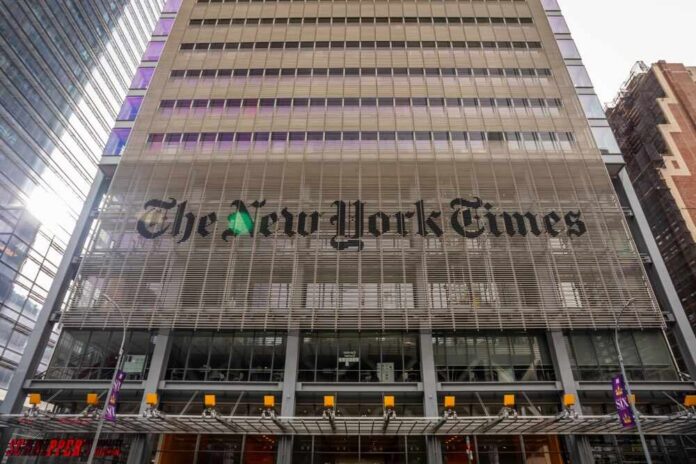
The EEOC sues The New York Times for systemic anti-white discrimination, marking a bold stand against DEI policies that conservatives say violate equal protection under the law.
Story Highlights
- EEOC files lawsuit alleging New York Times discriminated against white employees in hiring, promotions, and retention via DEI initiatives.
- Trump appointee Andrea Lucas leads EEOC shift to prioritize reverse discrimination claims, targeting high-profile institutions.
- Similar actions against Nike and Planned Parenthood, with the latter settling for $500,000 over DEI-related practices.
- EEOC staff from both parties raise concerns about rushed cases, highlighting tensions in civil rights enforcement.
EEOC Lawsuit Targets New York Times DEI Practices
The Equal Employment Opportunity Commission filed a lawsuit against The New York Times alleging systemic discrimination against white employees. The case claims the newspaper’s diversity, equity, and inclusion programs led to unfair hiring, promotion, and retention decisions that disadvantaged white workers. This action stems from complaints by white employees passed over for opportunities. EEOC Chair Andrea Lucas, a Trump appointee, directs the effort to enforce anti-discrimination laws equally for all races. The suit challenges practices expanded after 2020 racial justice movements.
Shift in EEOC Enforcement Priorities
Andrea Lucas assumed EEOC leadership in 2025 and redirected resources toward reverse discrimination investigations. She committed to addressing “racism against white men,” accelerating such cases to the top of agency files. This marks a departure from the EEOC’s historical focus on protecting minority groups and women since the 1964 Civil Rights Act. Multiple current and former EEOC employees, including Republicans and Democrats, reported pressure to pursue these claims despite limited evidence. The agency recovered $660 million for 18,000 victims overall, per spokesperson Connor Clegg.
Broader Pattern of Investigations and Settlements
The New York Times case fits a coordinated EEOC strategy. Nike faced scrutiny over hiring goals and career development practices that allegedly discriminated against white employees. Planned Parenthood of Illinois settled a related lawsuit for $500,000 tied to DEI employment practices. Former EEOC General Counsel David Lopez called the expedited focus “troubling.” Experts note reverse discrimination claims remain rare and hard to prove, requiring high evidence standards. Outcomes could set precedents for evaluating DEI legality across industries.
EEOC staff expressed fears of professional repercussions for dissent. Civil rights experts acknowledge DEI programs can be defensible if not explicitly race-based, but those disadvantaging individuals by race face challenges. Conservatives view this as equal enforcement of civil rights laws, countering what they see as illegal preferences. Progressives argue it weaponizes claims to dismantle protections for historically marginalized groups. The litigation proceeds amid discovery, with major implications for media hiring.
Implications for Workplaces and Civil Rights
The lawsuit imposes litigation costs on The New York Times and may reveal internal DEI documents. Short-term effects include potential suspension of diversity initiatives and recruitment challenges. Long-term, it could chill DEI efforts in media and corporate sectors, prompting cautious hiring. White employees stand to gain remedies, while broader uncertainty affects workplace culture. This reflects deep divisions over civil rights priorities, as both sides question if government agencies serve the people or elite interests. Limited details on specific allegations highlight ongoing discovery needs.
Sources:
EEOC Expedities Racism Against White Men Cases – Black Enterprise
Significant EEOC Race/Color Cases (Covering Private and Federal Sectors) – EEOC Official Website