
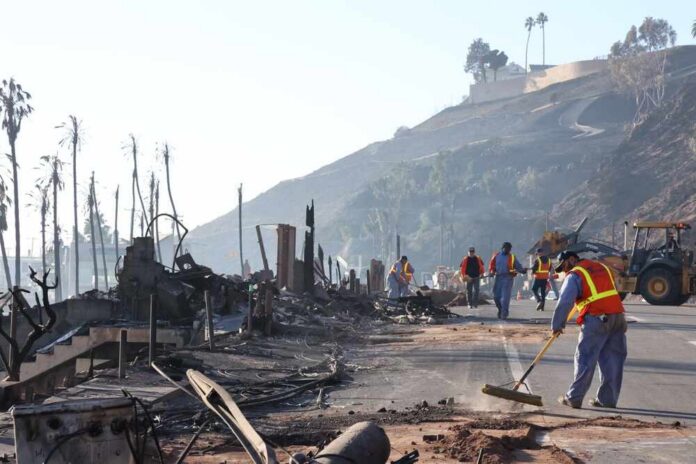
A California judge just opened the door for wildfire victims to pry into how state and city leaders handled — and possibly mishandled — a disaster that killed 11 and wrecked roughly 8,000 structures.
Quick Take
- A judge refused to toss key claims, allowing Palisades Fire lawsuits against the City of Los Angeles and the State of California to move forward.
- Victims allege preventable hazards — including vegetation issues and water-system problems — helped turn the January 2025 blaze into LA’s worst urban wildfire.
- The ruling pushes the cases into discovery, where internal emails and texts could become public in court filings.
- Los Angeles is seeking to shift some financial responsibility to the state, signaling infighting among government defendants.
Judge’s ruling keeps the case alive — and makes discovery the next battlefield
Los Angeles-area wildfire victims cleared a major procedural hurdle on Feb. 19, 2026, when a judge denied attempts to dismiss lawsuits against the City of Los Angeles and the State of California. That decision does not determine who is ultimately at fault, but it does keep the claims in court and sets the stage for evidence gathering. For plaintiffs, the immediate significance is straightforward: the case survives long enough for sworn testimony and document requests to begin.
Discovery is where government accountability fights are often won or lost. Plaintiffs can seek internal communications about brush management, water availability, emergency decisions, and post-incident recordkeeping. Public curiosity has also centered on whether communications involving Governor Gavin Newsom’s administration emerge, though the research available so far indicates that such material is a possibility tied to the discovery process, not a confirmed revelation. For taxpayers, the concern is that prolonged litigation can expand costs regardless of the final verdict.
What victims say went wrong before the flames spread
The Palisades Fire ignited in January 2025 and became a defining example of the modern urban-wildland interface problem: dense neighborhoods placed near high-risk terrain, combined with drought conditions and severe winds. Victims and their attorneys argue that preventable hazards made the catastrophe worse, including alleged failures in vegetation management on government-controlled land and issues tied to municipal systems. Reports also highlight claims that key infrastructure and inspection lapses left communities more vulnerable when the fire broke out.
One focal point in the broader public narrative has been water-system readiness. Research summaries cite pre-fire warnings and allegations involving the Santa Ynez Reservoir’s status and inspection history, as well as questions about timing around power and water decisions. Those points remain allegations that will be tested in court, alongside the basic but crucial unresolved question of ignition. LADWP has denied there is evidence it started the fire, underscoring that the cause and the chain of responsibility are still contested as the cases move forward.
Why inverse condemnation matters to homeowners — and worries taxpayers
California’s inverse condemnation doctrine is central to why these cases have momentum. In plain terms, it can allow plaintiffs to pursue compensation from public utilities and public entities without the same burden of proving negligence that many people assume is required in civil litigation. Supporters say this “levels the field” against government defenses and immunity arguments; critics fear it turns disasters into automatic liabilities. Either way, the doctrine shifts the fight toward showing a public system’s role in the harm.
This legal structure matters far beyond the Palisades footprint because it can reshape incentives and budgets. Large verdicts or settlements can pressure agencies to raise rates, tap emergency funds, or defer other services, which can hit working families first. The research also flags the state’s wildfire-related financial strain and the risk that expanded liability creates a cycle: infrastructure underinvestment increases risk, and rising legal exposure makes it harder to invest. That feedback loop is where governance debates turn into kitchen-table economics.
Record-alteration allegations raise the stakes — even as causation remains disputed
Separate from the ignition debate, amended complaints have escalated scrutiny with allegations that LADWP altered records connected to the fire response. ABC7 reported on those new allegations, while LADWP has pushed back publicly, stating there is no evidence it started the fire. At this stage, the public has claims and denials — not adjudicated findings — which is exactly why discovery and forensic review of logs, communications, and timelines will matter. Courts tend to treat credibility disputes as trial issues, not press-release issues.
West Coast, Messed Coast™ — Palisades Victims Win Key Legal Battle and I Can't Wait to Read Gavin's Textshttps://t.co/eWuSUUQvBu
— PJ Media (@PJMedia_com) May 8, 2026
Politically, the lawsuits also highlight something many Americans across party lines increasingly agree on: government systems can fail ordinary people and still protect themselves through bureaucracy. Conservatives tend to see a cautionary tale about mismanaged public agencies, lax enforcement of basic safety rules, and leaders who talk big but miss fundamentals. Liberals often focus on climate and equity impacts, but this case’s immediate question is more concrete: whether officials and agencies followed their own responsibilities before and after a deadly urban wildfire.
Sources:
https://www.robertkinglawfirm.com/california-wildfire-attorneys/palisades-fire-lawsuit/