

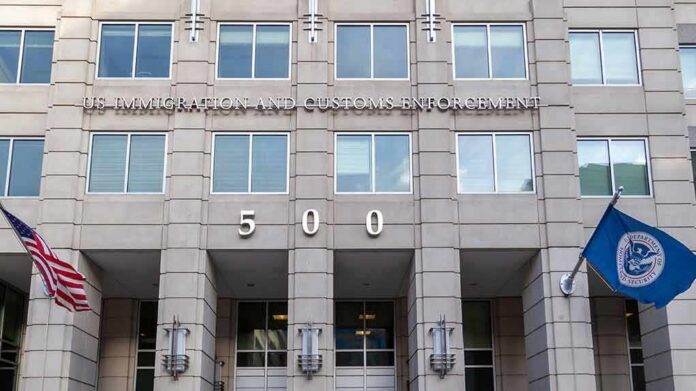
Federal courts cleared the way to end Haiti’s Temporary Protected Status, and immigration officers in Ohio are now summoning Haitian nationals for check-ins and fitting some with ankle monitors.
Story Highlights
- Supreme Court allowed ending Haiti’s Temporary Protected Status, restoring enforcement authority.
- A federal judge’s order confirmed protections are no longer in effect for Haitians.
- Immigration officers in Ohio are issuing check-ins; some leave with ankle monitors and court dates.
- Local officials say city police will not conduct federal immigration actions.
Court Decisions Restored Federal Immigration Authority
On June 25, the United States Supreme Court allowed President Trump to end Temporary Protected Status for Haitian immigrants, removing a shield that had delayed removals for years. On August 6, a federal district judge entered an order confirming that protection was no longer in effect for Haitian nationals who lacked another lawful status. These rulings returned immigration enforcement to the normal rule of law. Agencies can again act on final orders and supervise pending cases.
Ohio outlets reported what this legal shift means on the ground. Immigration and Customs Enforcement began calling Haitian nationals to in-person check-ins at regional offices around Cincinnati and Blue Ash. Some who reported were issued ankle monitors and told to return in about a month, a sign that officers are using supervision tools while cases move forward. Advocates said others received new court dates after their appointments. The Department of Homeland Security said enforcement operations occur daily nationwide.
What Enforcement Looks Like In Springfield And Beyond
Local media in Springfield described a pattern of passport surrenders, ankle monitors, and scheduled follow-ups for Haitian nationals whose Temporary Protected Status expired. Community leaders said many residents got formal call-in letters from immigration authorities in late July. Supporters rallied near the local office as check-ins proceeded, while advocacy groups organized legal help and transport for families. Immigration officials did not release an operation schedule, consistent with standard policy to avoid tipping off targets.
City and county leaders in Clark County stressed that local police are not immigration officers and will not enforce federal status violations. That statement tracks the separation of duties the Constitution lays out. Federal agents handle immigration law; local officers focus on crime in their communities. An immigration official also told a judge that deportations would proceed for those who lose protection, but did not confirm a specific surge plan for Springfield.
Rule Of Law, Public Safety, And Community Concerns
Advocates for Haitian migrants argued ankle monitors are humiliating and harm families, saying some people monitored have no criminal history. Those claims reflect a broader debate about “alternatives to detention,” including phone apps and Global Positioning System devices. Civil society reports question whether monitors are the least intrusive lawful tool and warn about costs and stigma. Immigration authorities describe them as a way to ensure court compliance without putting people in physical detention.
ICE Roundup Of Haitian Migrants Begins In Ohio https://t.co/qCLEBpIDKX #Money #Finance #Economics #Market
— Alen Karabegovic (@AlenKarabegovic) August 15, 2026
Ohio leaders also noted the Haitian community’s role in local jobs and growth, warning that sudden removals could hurt Springfield’s economy. That economic point is important, but it does not change the legal reality after the courts’ decisions. The proper channel for relief now is Congress or case-by-case adjudication. For families seeking to stay, timely legal counsel, updated addresses, and strict compliance with check-ins are essential to avoid missed notices and default removal orders.
What Comes Next For Ohio And The Country
Immigration enforcement will likely continue with targeted check-ins, ankle monitors for some, and immigration court hearings that test each person’s claim to remain. People with lawful pathways—such as approved family petitions, pending asylum with merits, or other visas—should present evidence at every step. Others should expect removal if they have no legal basis to stay. That is how a nation of laws works. Securing the border and enforcing the law protects wages, schools, and public safety for every American family.
Sources:
zerohedge.com, iheart.com, 10tv.com, wdtn.com, axios.com, npr.org, dispatch.com, independent.co.uk, ohiocapitaljournal.com, nbc4i.com, haitiantimes.com, cincinnati.com