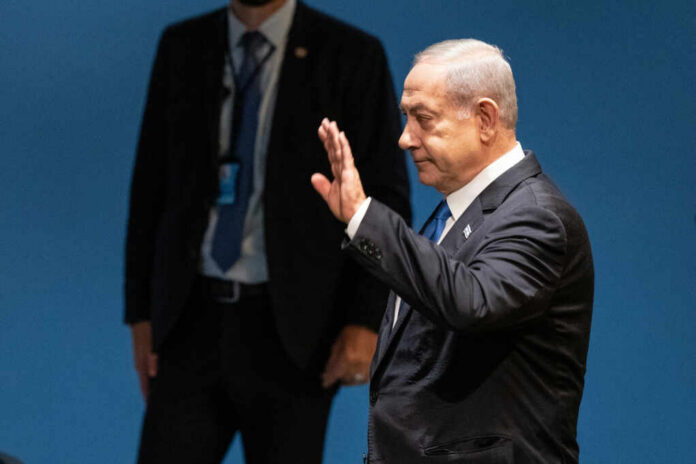
Israeli Prime Minister Benjamin Netanyahu admitted he concealed a cancer diagnosis for months while waging war against Iran, raising serious questions about government transparency during one of the most dangerous periods in Middle Eastern history.
Story Snapshot
- Netanyahu disclosed treatment for early-stage prostate cancer two months after diagnosis, citing wartime propaganda concerns
- The 76-year-old leader delayed the announcement to prevent Iranian exploitation during peak military tensions in March 2026
- Hospital confirms tumor fully removed with no metastases; Netanyahu claims “excellent physical condition”
- Disclosure follows pattern of delayed health transparency, including prior undisclosed pacemaker implant
- Announcement coincides with fragile Iran ceasefire and renewed threats of infrastructure strikes
Strategic Silence During Critical Combat Operations
Netanyahu revealed on April 24-25, 2026, that he underwent treatment for a malignant prostate tumor discovered in February during follow-up examinations after December 2024 prostate surgery. The Prime Minister acknowledged deliberately withholding the diagnosis for approximately two months, explaining he refused to provide ammunition to Iranian propagandists during the height of military operations. The tumor, measuring less than one centimeter, was detected at Hadassah Hospital in Jerusalem and treated immediately, according to medical records released with his annual health report.
Iranian Disinformation Campaign Fueled Secrecy Decision
The disclosure timing appears directly linked to combating Iranian propaganda efforts that escalated during March 2026 strikes. Iranian state media circulated AI-generated images falsely depicting Netanyahu’s death or serious injury, exploiting the fog of war to undermine Israeli leadership credibility. Netanyahu’s decision to delay announcement until the ceasefire stabilized demonstrates awareness that perceived weakness in wartime leadership could embolden adversaries. His statement emphasized that he considered the cancer a “minor medical issue” compared to national security imperatives, a calculation that prioritizes strategic advantage over public accountability in real-time.
Medical Recovery Confirmed Amid Renewed War Threats
Hadassah Hospital’s oncology director confirmed the disease has completely disappeared following treatment, describing the early-stage diagnosis as common for men in Netanyahu’s age group and highly treatable when detected promptly. The hospital urged the public to pursue regular prostate screenings, leveraging the Prime Minister’s case to highlight early detection benefits. Netanyahu stated he is now in excellent physical condition with no ongoing treatment required, according to multiple sources verifying his medical status. The announcement arrived the same day Israel warned of resuming “deadly” infrastructure strikes against Iran if ceasefire negotiations collapse.
Pattern of Delayed Transparency Raises Trust Issues
This revelation marks the second instance of Netanyahu concealing significant health information from the Israeli public. He previously delayed disclosing a pacemaker implant for a week after fainting, revealing the device only after recovery. Critics view this pattern as emblematic of broader governmental secrecy that erodes public trust, particularly when citizens are asked to make wartime sacrifices while leadership withholds material facts about command stability. The timing of disclosure after rumors subsided suggests damage control rather than proactive transparency, a concern for voters on both left and right who demand accountability from elected officials regardless of strategic justifications.
Leadership Stability Questions Amid Fragile Ceasefire
Netanyahu’s health disclosure lands at a precarious moment, with Israel and Iran locked in a shaky ceasefire following months of escalating strikes that drew in U.S. forces. The Prime Minister has simultaneously managed conflicts in Gaza and Lebanon, placing extraordinary stress on 76-year-old leadership. While hospital officials provide medical validation of his recovery, the two-month concealment period coincided with critical strategic decisions affecting thousands of Israeli and American lives. Whether voters view the delay as prudent wartime strategy or dangerous deception may depend on their broader frustrations with governmental elites who prioritize political calculations over citizen trust, a divide transcending traditional party lines in an era of deep skepticism toward those in power.
The intersection of personal health, wartime leadership, and government transparency creates a complex test case for how much secrecy citizens should tolerate from elected officials during national crises. Netanyahu’s gamble that strategic silence outweighed public accountability reflects calculations familiar to leaders across democratic systems, yet sits uneasily with populations increasingly convinced their governments operate by different rules than those governing ordinary citizens.
Sources:
CBS News – Benjamin Netanyahu prostate cancer Israel Iran
1News – Netanyahu says he was treated for prostate cancer and is now healthy
Politico – Netanyahu prostate cancer