

Pakistan quietly hosting US-Iran backchannel talks during an active war is the kind of diplomatic optics that can make a major regional power like India look sidelined—and it’s reshaping how influence is measured in West Asia.
Quick Take
- Backchannel US-Iran discussions reportedly wrapped up in Islamabad in mid-March, even as the war dragged on toward a one-month mark by late March.
- India’s irritation is less about formal outcomes and more about symbolism: Pakistan got the “mediator” spotlight while India stayed outside the room.
- Iran’s leverage appears to have grown during the fighting through oil revenues and external support, complicating Washington’s off-ramp.
- The episode underscores a wider trend: nimble diplomacy can beat raw economic weight, especially when governments prioritize optics and access.
Islamabad’s backchannel role lands like a strategic snub in New Delhi
Islamabad’s hosting of quiet US-Iran engagements during the 2026 conflict has become a political and strategic irritant in India, not because Pakistan suddenly gained formal authority over the war, but because it gained the appearance of relevance. The underlying complaint is basic: India has deeper economic heft and significant West Asian stakes, yet Pakistan became the venue where sensitive messages moved. In geopolitics, that kind of access signals influence.
The available reporting leaves major details undisclosed, including who exactly attended the Islamabad talks and what was traded. Still, even limited information can matter when rivals are involved. India’s leadership has long invested in being viewed as a stable, credible partner across the region, including through infrastructure and trade connections. When a competitor with a contested reputation ends up hosting, it creates the perception—fair or not—that India’s seat at the table is conditional.
War dynamics give Iran leverage and make “peace talk” chatter premature
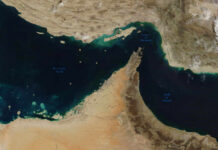
Richard Haass described the situation as one where talks are being discussed more than they are actually happening, emphasizing that a real peace remains distant. The war itself changed incentives: Iran reportedly benefited from outside support and from energy sales, while disruptions around the Strait of Hormuz sharpened global pressure to stabilize shipping and oil flows. In that environment, Washington’s desire to end fighting can rise faster than Tehran’s willingness to concede.
The core issues also look unresolved. Haass highlighted concerns that any durable arrangement would require meaningful constraints, including steps such as uranium removal and inspections, while Iran’s reported posture included demands tied to maritime control, cessation of attacks, and even reparations—positions that would be difficult for any US administration to accept without major reciprocal commitments. With gaps this wide, backchannels can keep options alive, but they do not guarantee a negotiated settlement.
Energy, trade, and the reality of “transactional” diplomacy
Energy remains the hard edge behind the symbolism. India’s reliance on Iranian oil raises the stakes of any Strait of Hormuz disruption, because shipping interruptions and price spikes hit domestic inflation and industrial costs quickly. The research indicates Iran gained increased revenues through oil and gas sales during the conflict, including to buyers such as India, which complicates the politics for countries trying to balance cheap supply against sanctions risk and strategic alignment.
From a conservative, America-first lens, the episode is a reminder that states pursue interests, not sentiments. Pakistan appears to have leveraged neutrality and geography to win diplomatic “foot traffic,” while India’s frustration shows that credibility and economic size do not always translate into immediate access. For US policymakers, it’s also a caution about relying on informal intermediaries: backchannels can be useful, but they can also elevate actors whose interests diverge from America’s long-term regional stability goals.
What this signals about a changing regional order—and US priorities
The larger takeaway is not that Pakistan has replaced India or that a peace deal is imminent; the available sourcing does not support those leaps. The clearer conclusion is narrower: West Asian diplomacy is rewarding speed, channels, and opportunism, sometimes over track record. That is exactly the kind of shift that makes many voters—right and left—skeptical of foreign-policy “expert classes” that promise predictable outcomes but keep getting surprised by who ends up with leverage.
For Americans watching from afar, the key question is whether US objectives are being defined tightly enough to prevent another open-ended entanglement. If peace talks remain aspirational while Iran’s leverage grows, then backchannel theatrics—wherever they are hosted—can become a substitute for real progress. The optics that bother India also matter to Washington: credibility erodes when wars end without clear terms, and that credibility is a strategic asset the US cannot afford to spend casually.
Sources:
Why India is rankled by Pakistan playing mediator in US-Iran war
war-and-peace-iran-style-march-27