
A cartel can still shut down a major border city’s roads overnight—using burning tires and stolen vehicles—showing how quickly order can break down just miles from the United States.
Story Snapshot
- Reynosa, Tamaulipas, woke to “narco-blockades” after Gulf Cartel members retaliated for the capture of a regional Los Metros faction officer.
- Blockades hit key routes used by workers and industry, including the Reynosa–Río Bravo highway and major city boulevards.
- Authorities and firefighters cleared fires and hazards, but the tactic underscored cartel capability to paralyze daily life on demand.
- Separate 2026 unrest tied to the reported killing of CJNG leader “El Mencho” shows the blockade playbook is spreading nationally.
- Analysts warn cartel innovation—drones, explosives, and counter-drone systems—raises the stakes for both Mexico and U.S. border security.
Reynosa’s morning shutdown: retaliation, not random chaos
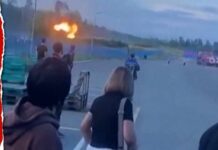
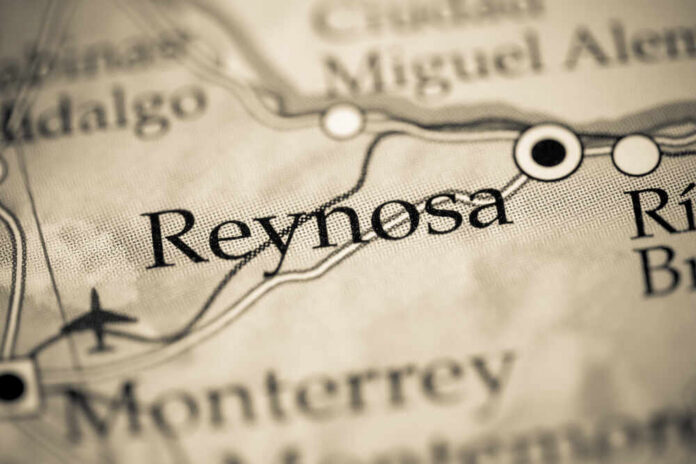
Reynosa residents reported roadways blocked by burning tires, road spikes, trucks, and buses after Gulf Cartel members reacted to the arrest of a regional leader from the Los Metros faction. The disruption centered on commuter and freight arteries, including the Reynosa–Río Bravo highway and Luis Donaldo Colosio Boulevard, delaying maquiladora workers heading into industrial zones. Civil Protection teams and firefighters responded to extinguish fires and help restore movement across the city.
Mexican reporting linked the blockade wave to a tit-for-tat struggle over street control: raids and seizures pressured the organization, and the cartel answered with intimidation that is visible, costly, and designed to signal power. The same reporting described a precursor incident in which the arrested leader allegedly ordered trucks and SUVs to destroy a dozen city surveillance cameras ahead of a presidential visit—an indicator that cartels treat local surveillance and public order as obstacles to operational freedom.
Why this border city matters to Americans watching from Texas
Reynosa sits across from the McAllen, Texas, area, and its highways connect factories, commercial traffic, and border-adjacent neighborhoods that rely on predictable movement. When cartel groups can block routes with spikes and burning vehicles, the impact is not confined to Mexico’s internal politics; it can ripple into cross-border commerce, travel decisions, and public safety planning. U.S. officials have issued shelter-in-place warnings during later flare-ups, reflecting real concern that violence and disruption can expand fast.
Two stories, one pattern: cartel blockades as a national pressure tactic
The Reynosa incident followed an arrest tied to the Gulf Cartel, but Mexico saw a broader wave of similar “narco-blockades” during February 2026 after reports that CJNG leader Nemesio “El Mencho” Oseguera was killed in a military operation in Jalisco. Reporting described dozens to hundreds of blockades, with attacks that also targeted civilian-facing sites like gas stations and banks. Mexico’s security leadership later said order was restored and dozens of arrests were made, but the tactic’s scale was the headline.
That comparison matters because it suggests the blockade method is becoming standardized: hit roads, stall work, create fear, and force authorities to react publicly. From a governance standpoint, it is a direct challenge to the state’s monopoly on force and routine public services. From a conservative “rule of law” perspective, the immediate question is not political branding but capacity: whether institutions can keep commerce moving, protect civilians, and deter repeat shutdowns without letting criminal groups set the tempo.
Escalating capability: drones, explosives, and the risk of a deadlier next round
Security analysis tied to Reynosa has highlighted a more troubling backdrop than burning tires alone: the Los Metros faction has been associated with advanced tools, including drones and explosive materials seized in prior operations. Reporting on an October 2025 raid described the recovery of multiple drones—including models characterized as “kamikaze”—along with explosive sleeves and counter-drone systems. Even when a given blockade ends without major firefights, that kind of inventory raises the potential cost of future confrontations for police, soldiers, and bystanders.
The limitation in public reporting is that many specifics remain unclear, including the exact date and identity details surrounding the captured Los Metros officer referenced in the Reynosa story. What is clear is the recurring mechanism: enforcement pressure triggers cartel retaliation designed for maximum visibility and disruption. For Americans who feel government too often fails at basic duties, the lesson is simple and sobering—when states lose control of roads and routine order, ordinary working families pay first, and rebuilding deterrence is harder than issuing statements.
Sources:
Reynosa awakes to narco-blockades as cartel reacts to leader’s arrest
Roadblocks reported in Reynosa following death of cartel leader
Narco-blockades lifted in Mexico after cartel reaction to death of El Mencho
Police officers, cartel suspects killed in shootouts near Mexico-U.S. border
US Embassy issues warning to Americans after El Mencho killed