

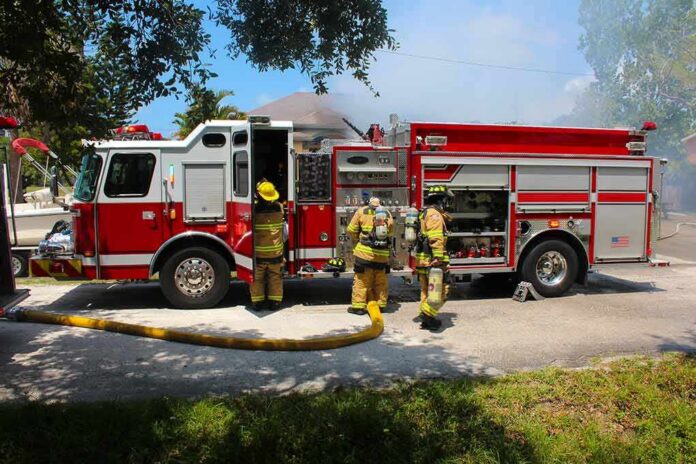
Los Angeles logged 12,241 fires tagged as homeless or encampment related in under nine months, draining fire crews day and night.
Story Highlights
- Los Angeles recorded 12,241 homeless- or encampment-related fires from Jan. 1 to Sept. 20.
- The pace averages 47 such fires every day across the city.
- Trash fires dominate, but car, structure, and brush fires also surged.
- Hotspots include Skid Row and the 110 freeway corridor.
Scope of the Fire Burden in Los Angeles
City fire data show 12,241 incidents labeled as homeless or encampment related between January 1 and September 20. That comes to 47 fires every day, citywide. Reporters rode with a rapid response team and saw crews jump from one trash fire to the next within minutes. Firefighters described a shopping cart ablaze near a makeshift grill. The year-to-date count sits about six percent lower than the same period last year, but the daily load still strains staffing and trucks.
Fire officials and reporters identified where the fires cluster. Skid Row recorded a pocket with 77 incidents. The 110 freeway corridor also shows frequent fires tied to encampments along rights-of-way. These are not only nuisance burns. Most are trash fires, but the list includes 189 vegetation or brush fires, 173 car fires, and 153 structure fires. Each type pulls different gear and crews, which cuts coverage for medical calls and other emergencies across the city.
City Response and Policy Ties
The mayor’s office acknowledged the danger to residents and businesses and said the city removed more than 1,000 encampments. The office restated a goal to end street homelessness, while pointing to the ongoing fire risk from encampments. Earlier reporting shows the link is not new. Between 2018 and 2024, homelessness factored into about one-third of all city fires, according to Los Angeles Fire Department summaries cited by local media. City leaders have debated stronger removal powers near high-fire zones to prevent major blazes.
Public records and past plans show the fire department has worked with the Los Angeles Homeless Services Authority and the city’s homelessness response center. The aim is to reduce encampment fire risks through outreach and targeted cleanups. Strategic plans call for joint operations to address fire hazards and speed removal of dangerous materials in public spaces. The goal is simple: keep brush areas clear, protect nearby homes and shops, and reduce repeat calls that sap unit availability for other threats.
Why This Matters for Safety, Liberty, and Order
Families and small businesses live with the fallout when streets burn. Fires near homes, schools, and freeways threaten lives and property. Crews tied up at repeat trash fires arrive slower to house fires and heart attacks. Taxpayers fund overtime and repairs while core services lag. Conservatives see a basic duty here: enforce laws, clear dangerous encampments, and restore safe public spaces. Data showing thousands of encampment-related fires make that duty urgent, not optional.
Firefighters stretched to breaking point after homeless people spark over 12K fires in Los Angeles https://t.co/QJHno1mZps pic.twitter.com/6ALeaexreT
— New York Post Metro (@nypmetro) September 26, 2026
Facts also guide prudence. The “homeless or encampment related” tag marks proximity and conditions. It does not prove a person experiencing homelessness started every fire. Still, the volume, the hotspots, and the mix of car, structure, and brush fires show a pattern that needs firm action. Transparent reporting and steady enforcement can back outreach and shelter placements. That balance protects civil rights while ending open-air hazards that place entire neighborhoods at risk.
Sources:
nypost.com, latimes.com, abc7.com