

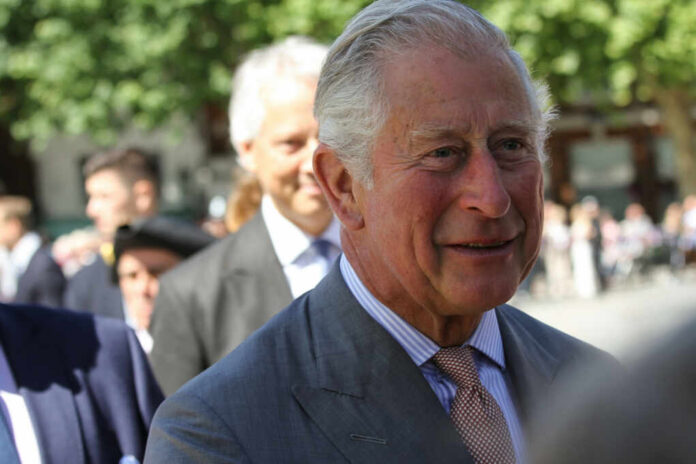
King Charles III became only the second British monarch in history to address the United States Congress, delivering remarks during a state visit that highlights the enduring alliance between two nations while raising questions about whether ceremonial diplomacy addresses the real concerns of ordinary Americans struggling with economic pressures and government dysfunction.
Story Snapshot
- King Charles III addresses joint session of Congress on April 28, 2026, marking first such address by British monarch since Queen Elizabeth II in 1991
- State visit coincides with America’s 250th anniversary celebration, featuring military ceremony and state dinner hosted by President Trump
- Historic diplomatic moment emphasizes “special relationship” between U.S. and U.K. amid ongoing domestic challenges
- Address expected to reference recent White House Correspondents’ Dinner shooting and shared democratic values
Historic Address Marks Rare Diplomatic Moment
King Charles III delivered his address to a joint meeting of Congress at 3:00 PM Eastern Time, becoming only the second reigning British monarch to receive this honor. His mother, Queen Elizabeth II, first accomplished this diplomatic milestone on May 16, 1991, establishing a precedent that underscores the unique relationship between the United States and United Kingdom. The address comes during an elaborate state visit that includes Queen Camilla and features multiple ceremonial events designed to celebrate the long-standing alliance between the two English-speaking democracies.
Trump Administration Hosts Full Ceremonial Welcome
President Donald Trump orchestrated a formal state welcome featuring a military ceremony at the White House, followed by the congressional address and concluding with an evening state dinner. The elaborate diplomatic protocol demonstrates the Trump administration’s commitment to maintaining strong ties with traditional allies, particularly the United Kingdom. The visit’s timing aligns with America’s 250th anniversary celebrations, providing an opportunity to reflect on shared historical roots and democratic principles that have bound the two nations since the Revolutionary War era, despite their initial conflict.
Symbolic Gesture Amid Domestic Frustrations
While the pomp and ceremony of a royal address to Congress may resonate with those who value traditional diplomacy and historical continuity, many Americans across the political spectrum question whether such events serve practical purposes. Citizens facing inflation, economic uncertainty, and concerns about government accountability often view elaborate state visits as disconnected from their daily struggles. The resources devoted to ceremonial functions, while diplomatically significant, underscore a broader frustration that elected officials prioritize symbolic gestures over tackling substantive issues affecting working families.
Address Expected to Reference Recent Violence
King Charles III planned to address Saturday’s shooting at the White House Correspondents’ Dinner during his remarks, according to advance reports. The reference to recent violence demonstrates awareness of current American challenges beyond the ceremonial nature of the visit. The King’s speech also focused on the two nations’ shared history and common values, emphasizing democratic traditions and mutual cooperation. For supporters of strong international alliances, the address reinforces important diplomatic relationships that have strategic and economic value, even as critics question whether foreign dignitaries addressing Congress serves American interests during a period of domestic division and economic stress.
LIVE: King Charles III addresses US Congress https://t.co/3o5apgmaCd via @YouTube
— Alina Miron (@AlinaMiron173) April 28, 2026
The state visit represents a continuation of diplomatic traditions that have characterized U.S.-U.K. relations for generations. Whether such ceremonial events translate into tangible benefits for average Americans remains a point of contention between those who value traditional alliances and those who believe government resources should focus exclusively on domestic priorities. The historic nature of King Charles III’s address ensures its place in diplomatic annals, regardless of broader debates about government priorities and the disconnect many citizens feel from their elected representatives.